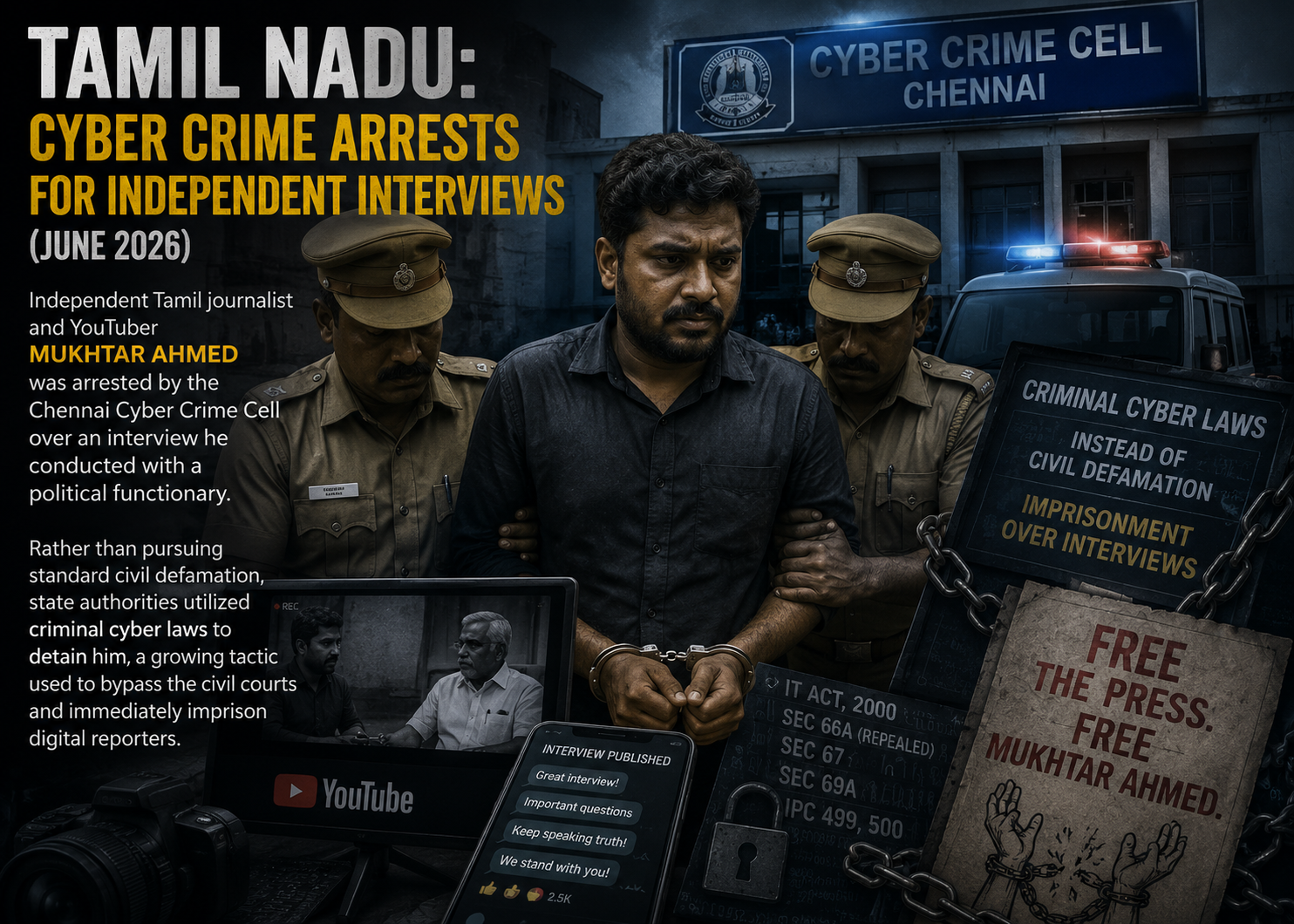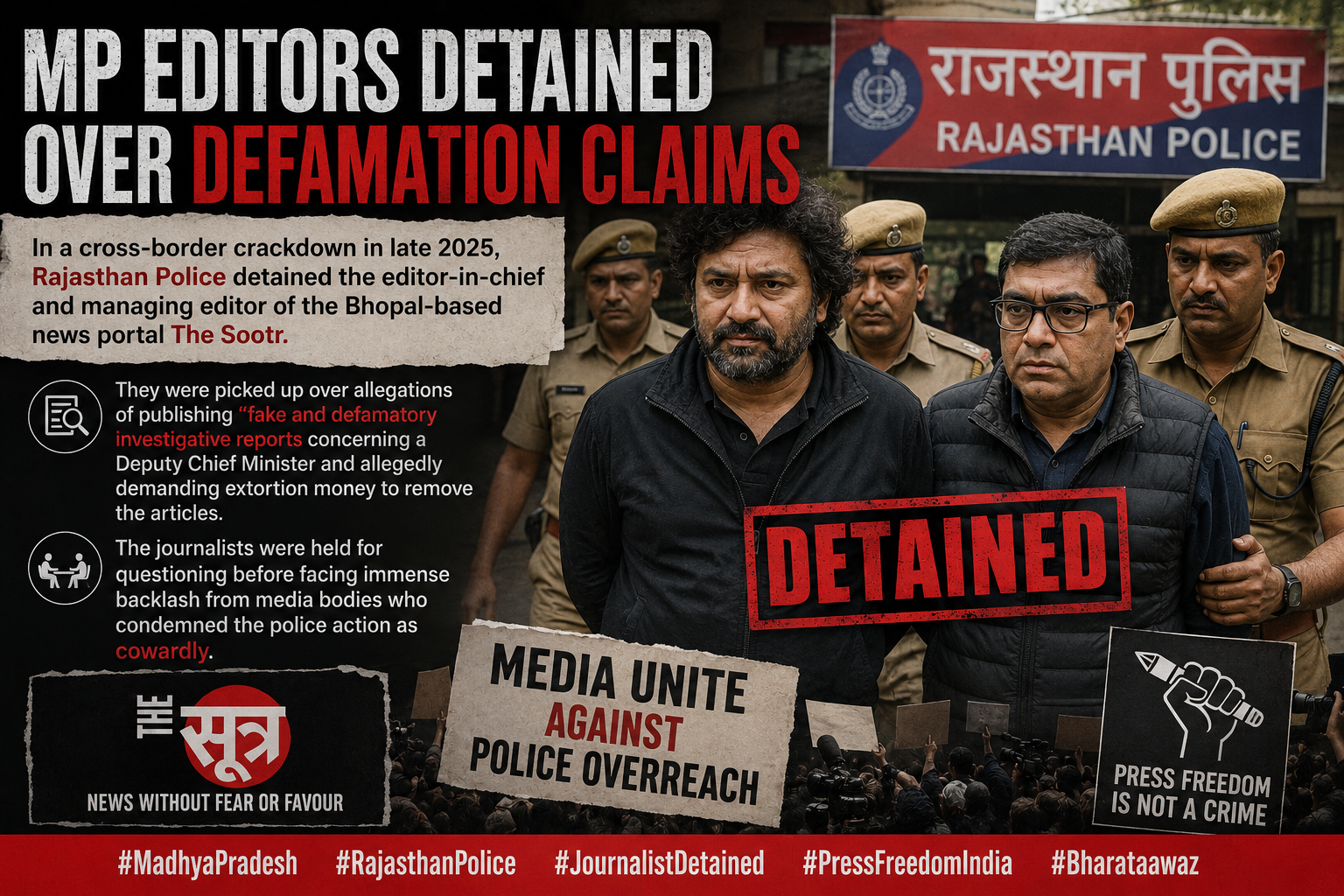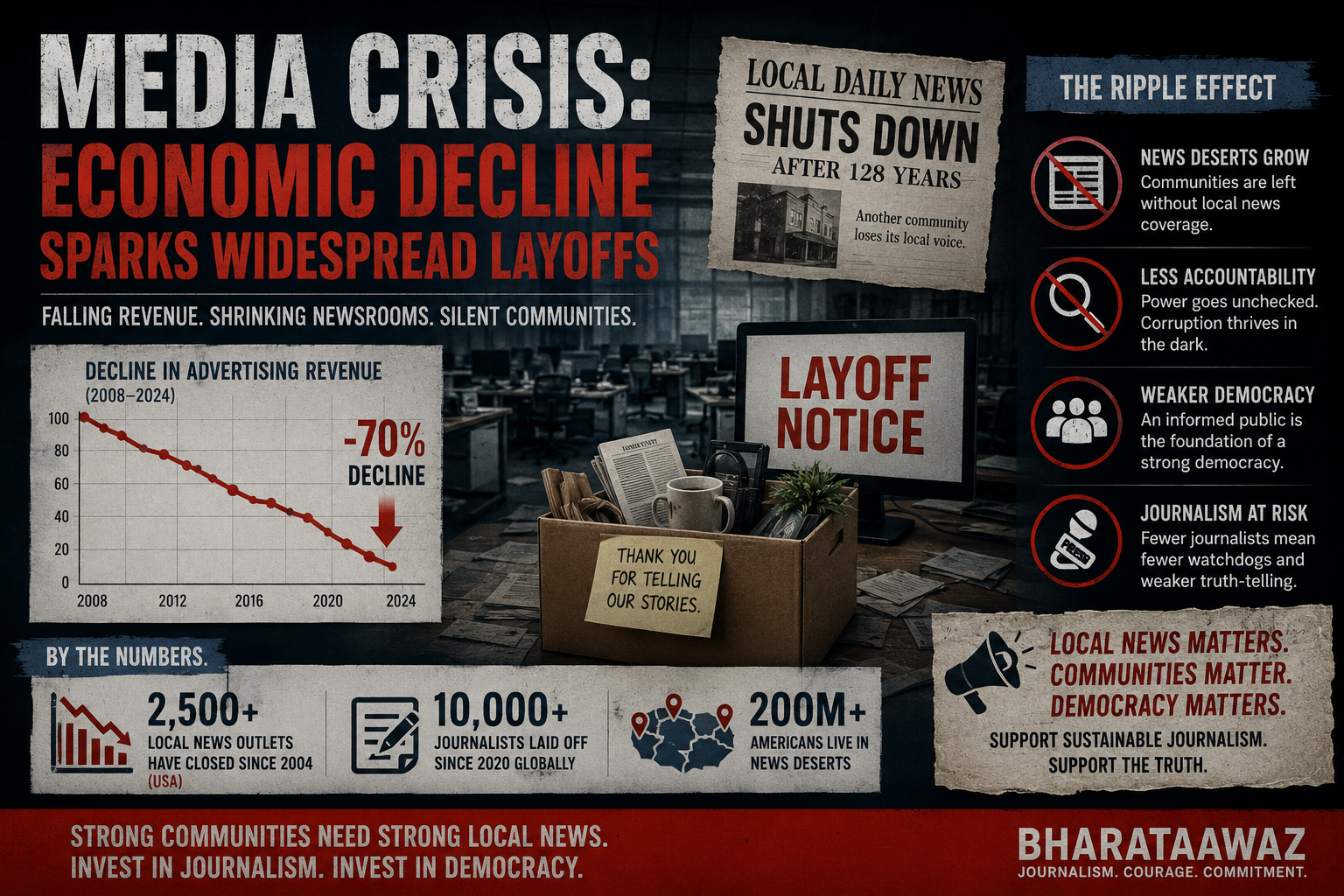
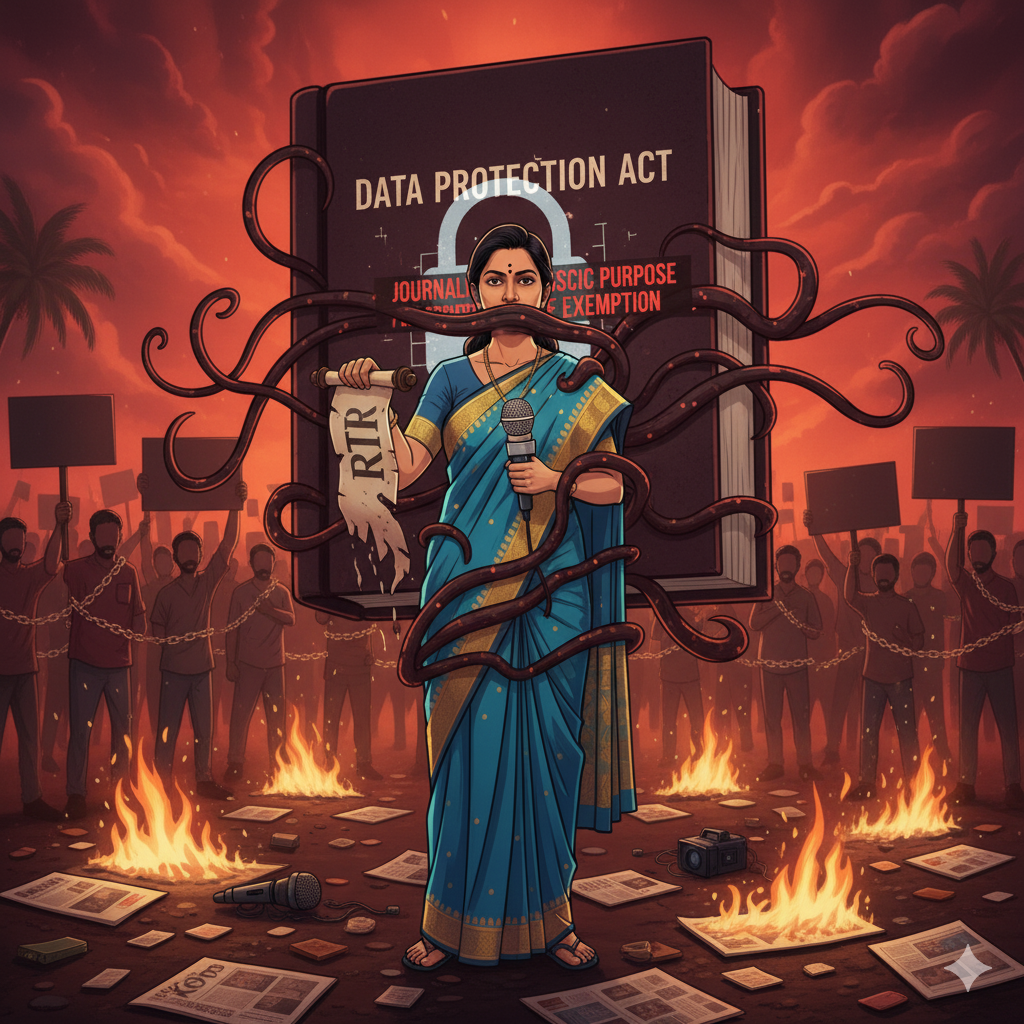
The Digital Personal Data Protection (DPDP) Act, 2023 has severely weakened India’s Right to Information (RTI) Act by removing the public interest override in Section 8(1), allowing authorities to deny access to information simply by labeling it “personal.” This threatens transparency and accountability, making it harder to expose corruption, misuse of funds, and conduct social audits. Moreover, the law excludes journalists from exemptions, putting investigative reporting at risk and effectively curbing press freedom. Experts and activists warn that, unlike international standards like GDPR—which protect journalistic activity—India’s amendments turn RTI into a tool controlled by the state, undermining democratic oversight. There is a pressing call to repeal the harmful changes, restore the public interest safeguard, and protect journalistic purposes to ensure transparency and freedom of expression are upheld.

BMA

September 16, 2026
September 16, 2026
September 16, 2026